
Ethics Corner - When Algorithms Dance
How AI Choreography Tools Amplify Historical Biases

Part of the "Ethics Corner" series in Data in Motion – byte size ethical explorations of the intersections of technology, creativity, and ethics in digital landscapes.
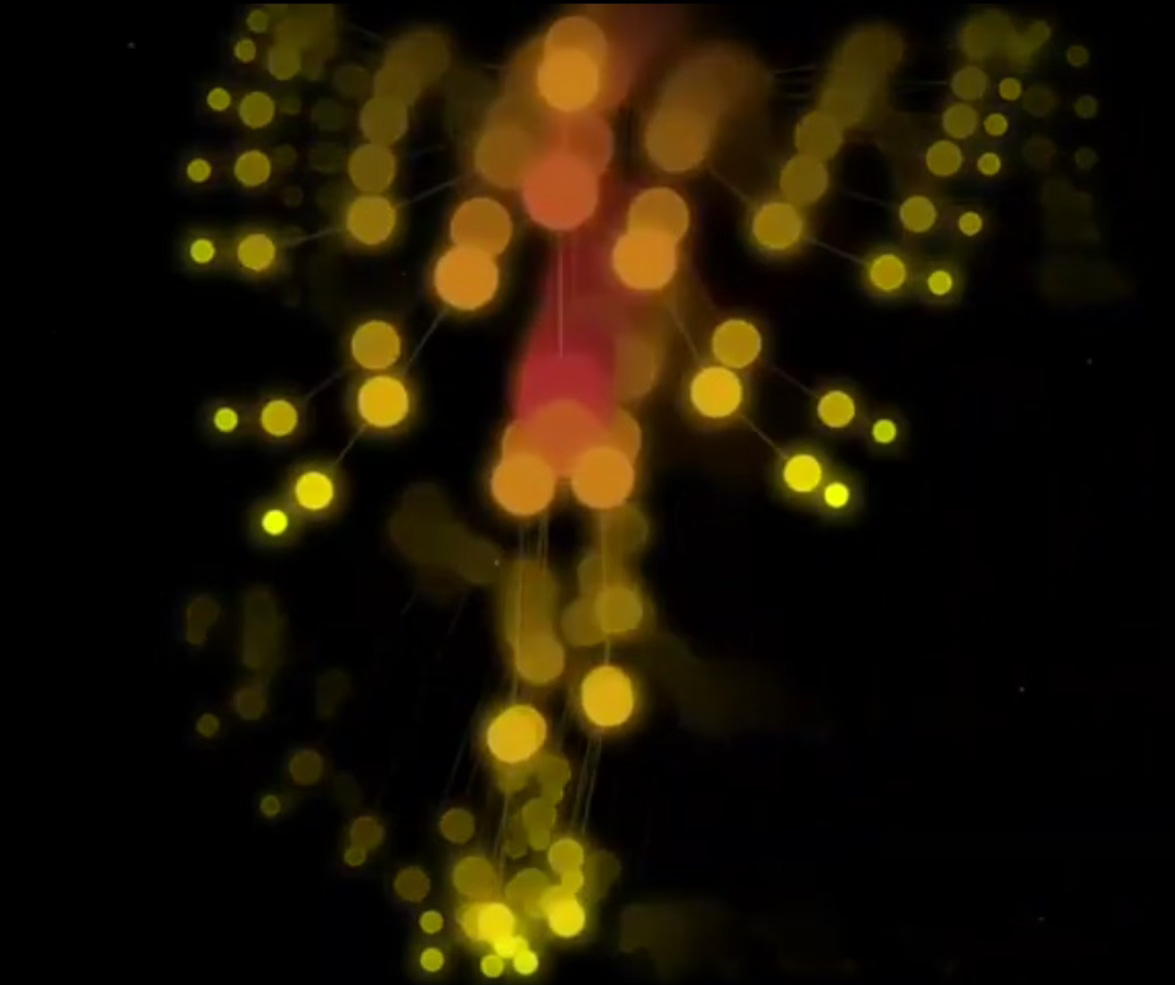
This is a follow on post from virtual dancer, at the intersection of AI and the arts presents exciting new creative possibilities. AI choreography tools can now analyse thousands of dance performances, learn patterns, and generate new sequences of movement. But as these technologies learn from historical dance records, they risk amplifying existing cultural biases and exclusionary practices that have long shaped the dance world.
The Hidden Biases in AI Choreography
When an AI system learns from historical dance data, it doesn't just learn movements—it absorbs the cultural, racial, and gender biases embedded in dance history. Here's how this potentially manifests:
Representation Gaps in Training Data
Most well-documented and digitised dance archives come from Western classical traditions like ballet, contemporary, and certain commercial styles. This means AI choreography tools often have:
Extensive data on European dance forms
Limited representation of African, Asian, Indigenous, and other global dance traditions
Overrepresentation of specific body types historically favoured in Western dance
The result? AI tools that generate choreography can disproportionately reflect Western aesthetics while marginalising other cultural dance expressions.
Encoded Body Norms
Traditional dance forms often enforced strict body ideals. Ballet, for instance, historically favoured thin, flexible bodies with specific proportions. When AI learns from this history, it learns these preferences as "correct" rather than culturally specific:
Movement sequences optimised for certain body types
Implicit aesthetic values about what constitutes "beautiful" movement
Technical specifications that may be inaccessible for dancers with disabilities
Gendered Movement Patterns
Many traditional dance forms assigned different movements based on gender, this is evident in classical ballet. When AI learns these patterns without critical context, it perpetuates gendered movement limitations:
Different movement vocabularies for male and female dancers
Reinforcement of binary gender expressions in dance
Continuation of outdated power dynamics in partnering and performance roles
The Ethics of Algorithmic Dance Creation
As AI choreography tools become a possibility in dance education, performance, and creation, we must consider:
Cultural Appropriation by Algorithm
When AI tools extract movement patterns from cultural dance forms without proper attribution or context, they risk technological appropriation—reducing rich cultural expressions to decontextualised movement data.
The Erasure of Embodied Knowledge
Dance isn't just movement; it's cultural knowledge passed through bodies. AI systems struggle to capture the historical, spiritual, and community aspects of dance traditions, potentially flattening rich traditions into mere physical sequences.
Reinforcing the Status Quo
If we train AI primarily on dominant dance traditions, we risk furthering the marginalisation of already underrepresented dance forms and practitioners.
Creating More Ethical AI Dance Tools
Moving forward requires intentional approaches:
Diverse Training Data: Actively incorporate diverse dance traditions, body types, abilities, and cultural contexts in AI training sets.
Critical Metadata: Include information about historical context and cultural origins alongside movement data.
Community Participation: Involve dance communities from various traditions in the development and oversight of AI choreography tools.
Transparency: Make clear when choreography is AI-generated and what source material informed it.
Hybrid Approaches: Use AI as a collaborative tool that enhances human creativity rather than replacing embodied knowledge.
Questions to Consider
Who decides which dance forms are worthy of digitisation and preservation?
How might AI choreography tools be designed to challenge rather than reinforce historical biases?
What responsibility do developers have to ensure ethical sourcing of movement data?
How can dancers maintain agency when working with algorithmic choreography?
Moving Forward
AI choreography tools present fascinating creative possibilities, but they require ethical vigilance. By approaching these technologies with awareness of their potential to amplify historical biases, we can work toward more inclusive, respectful applications that honour the diversity of human movement traditions.
The most powerful use of AI in dance may not be to perfectly replicate the past, but to help us imagine new, more inclusive movement futures that learn from history without being constrained by its limitations.
This post is part of our "Ethics Corner” series. While the full exploration takes a few minutes to read, the core ethical question remains: How do we ensure AI choreography tools don't amplify historical biases? The answer requires balancing technological innovation with cultural respect and inclusivity.
What do you think? Share your thoughts in the comments below.